About me

AAAAAAAAAAAAAAAAAAAAAAAAAAAAAAaaa

Tags

Why Should You Hire Me

Search This Blog

Featured Content Slider

Business

Recent Posts

Popular Posts

Facebook

Random Posts

Advertising

Search

AAAAAAAAAAAAAAAAAAAAAAAAAAAAAAAAA

Tuesday, September 26, 2017

Pakistani student develops stick to cure Parkinson’s

A Pakistani student at University of West England (UWE) has come up with a latest technology to cure patients suffering from Parkinson’s disease.

A stick, that can possibly prove to be a solution to the ailment, can benefit thousands of patients around the world.

During her study at the university, Neha Chaudhary invented this stick that is able to help 12,500 Parkinson’s patients in Britain alone. The stick induces movement in frozen muscles enabling the patients to walk again. In order to keep people’s attention away from the patients and their pain, the design of the stick has been kept simple and plain.


Having witnessed the disease from close, Neha invented this stick after her own family members suffered from the ailment repeatedly. Her father, in particular, sustained serious injuries due to the seizure of his muscles and his inability to walk.


Seeking pride in her achievement, Neha in an interview said that the success of this invention is her biggest accomplishment so far. Parkinson’s disease is one of the diseases that still do not have a proper treatment as yet and the medication only delays the effects of the disease temporarily. Neha also shared that she started this intervention as her university’s final year project, back in 2014.

The stick has been tested on a lot of people in England. National Health Services (NHS) and Parkinson’s organization in England has shown a keen interest in Neha’s incredible project.


Moreover, Neha even established her own company by the name of ‘Walk to Beat.’ According to Neha, when the patients were given the sticks they were overcome with immediate joy and majority of them expressed satisfaction that the stick does actually work.

Made of plastic, the light weighted, easy-to-carry-around stick makes use of high-tech sensors installed in it. The sensors, thus, activate dead muscles and help the patients to move around again.

Images & Post via: thenews.com.pk

Friday, August 4, 2017

Growing Cyber Harassment in Pakistan


It is estimated that there are over 37.5 million 3G, 4G/LTE subscribers in Pakistan at the moment. This dramatic rise in the use of internet technology has virtually reduced the world to  a Global Village. Though there are some challenges in this new virtual space and one such challenge is the striking rise in cyber crimes across Pakistan.

Cyber Harassment is one such form of cyber crimes which is getting more common in our society.  In this regard, psychologists of Global Medical Services Rawalpindi (Mr. Adil Ali & Ms. Ruhma Shahid) took the initiative and did an awareness program on PTV World on August 1st, 2017.


CYBER HARASSMENT

Cyber Harassment is the use of Information and Communications Technology to harass, control, manipulate or habitually disparage a child, adult, business or group without a direct or implied threat of physical harm.  It is commonly understood as behavior that disturbs or upsets, and it is characteristically repetitive.


There are many different types of harassment over the internet, some of which are given below:

Cyber Bullying:
This  include mean text messages or emails, rumors sent by email or posted on social networking sites, and embarrassing pictures, videos, websites, or fake profiles. Messages and images can be posted anonymously and distributed quickly to a very wide audience and can be difficult and sometimes impossible to trace the source or deleting inappropriate or harassing messages, texts, and pictures.

Cyber Stalking:
This includes the use of the Internet or other electronic means to stalk or harass an individual. It may include false accusations or attempts to defame the victim. It may also include monitoring, identity theft, threats, vandalism, solicitation for sex, or gathering information that may be used to threaten, embarrass or harass.

Spreading False Information about an Individual:
This includes sharing or posting false information about someone on social media that damages their reputation.

Hate speech:
This includes using abusive language, inappropriate comments based on religion, ethnicity or any other classification.

Leaking or publishing an individual’s personally identifiable information:
This includes publishing someone's identifiable information such name, date of birth, pictures or personal information such as medical conditions online.

Accessing and dissemination of private data without consent
This includes accessing someone's private information and sharing it online without their permission.

Hacking Electronic Devices / Accounts:
This includes hacking someone's electronic devices, email or social media accounts with intent to monitor their activities or to post something on their behalf without their knowledge.

PAKISTAN'S CYBER CRIME LAW
On 11/08/2016, National Assembly of Pakistan passed Cyber Crime Bill in Pakistan.  According to this new law, there are punishments for all kinds of cyber harassment:

Crimes
Punishments
Spreading False Information about an Individual
Up to 3 years in Prison or up to Rs. 1 Million in Fine or both
Making /  Spreading Explicit Images or Videos of an Individual
Up to 5 Years in Prison or up to Rs. 5 Million in Fine or both
Making / Spreading Explicit Images or Videos of Minor
Up to 7 Years in Prison or up to Rs. 5 Million in Fine or both
Cyber stalking
Up to 3 Years in Jail or Up to Rs. 1 Million in Fine or both
Cyber Stalking with a Minor
Up to 5 Years in Jail and up to Rs. 10 Million in Fine
Hacking Email / phone for Stalking
Up to 3 Years in Jail or Up to Rs. 1 Million in Fine or both 
Making Videos/Pics and Distributing without Consent
Up to 3 Years in Jail or Up to Rs. 1 Million in Fine or both
Hate speech
 Up to 7 Years in Prison or fine or both


Two days ago, on 02/08/2017, a man who blackmailed and harassed a girl through social networking website “Facebook” has been jailed for 14 months in prison along with a fine of fine of Rs 200,000.

WHAT MOTIVATES CYBER HARASSERS?
While discussing in a program World This Morning on PTV World (aired 1st Aug, 2017), Clinical Psychologist Mr. Adil Ali said that the freedom of privacy and personal anonymity that internet offers encourages many individuals to do things and say words that are generally not acceptable socially.  If there were no social norms, no rules, no regulations, no control, many of us would behave in the same way we do on the internet when we have the freedom of privacy.  Ms. Ruhma Shahid added that it is the persona that we wear that makes us civilized human beings.

HOW MAJORITY OF WOMEN REACT?
According to a study, 70% of Pakistani women afraid of posting their pictures online due to lack of safety. Cases of stolen Facebook profile pictures are routine and in some cases have forced women to completely stop using social media sites and they in fact get blamed from their families for doing it.

Not quite surprisingly, there is so much stigma around it that majority of women choose to stay quiet for the honor of their families and would refrain from seeking any kind of professional support.

CONSEQUENCES OF NOT GETTING HELP:
Not seeking help can effect the psychological well-being of victims.  According to Mr. Adil Ali, victims could develop different mental health issues including depression, anxiety and PTSD to name a few.

WHAT CAN VICTIMS DO:

Realize that its NOT your fault:
There should be no threat to family's honor if someone bullies you or harasses you online. You have the right to go online, create your profiles use all the social media websites.  Don't ever blame yourself.

Block the Harasser:
There are blocking options available to users on almost all websites and social media platforms.

Report to the platform:
Don't forget to share your bad experience with the platform you had it on.  For instance if you are on Facebook, report it to the Facebook authorities.

Seek Help from Local Authorities:
Report the incident to National Response Center for Cyber Crime by dialing the Cyber Rescue Help line at 9911.  Or call the recently launched Pakistan's first Cyber Harassment Hotline at 0800-39393.

Seek Psychological Help:
Its never easy to deal with such issues all alone.  Your family and social support network is going to be a huge help for you but its always good to see a psychologist, or counselor for help.  Psychologists or Counselors can help the victims in getting a psychologically safe environment to discuss their harassment and to take necessary steps for their safety.

CONTACT FOR SUPPORT:
If your are a victim of cyber harassment and need psychological support, feel free to contact Global Medical Services in Rawalpindi at (051) 4848934-36 or see any other psychologists in your area.

Tuesday, July 25, 2017

4-year-old Gets Life-Changing Neurosurgery at Ayub Teaching Hospital (Abbottabad)

A 4-year-old encephalocele patient gets life-changing surgery at Ayub Teaching Hospital, Abbottabad.

Asim from Mansehra, had a head-like substance attached to the back of the head measuring 5 kg, commonly called 2 heads, has been successfully operated at Neurosurgery Unit of Ayub Teaching Hospital Abbottabad.


Asim had a rare medical condition called encephalocele in which the brain matter oozes out from a gap in the skull into a sac-like structure, giving the person's head a grotesque appearance. These are some of the symptoms of a birth defect, encephalocele, that Asim was diagnosed with, explains Dr. Abdul Aziz, a Neurosurgeon and Associate Professor, who spearheaded the surgery operation together with a team of anesthetists and pediatricians that were responsible for his health before and after the surgery at Ayub Teaching Hospital.

Encephalocele, also known as cranium bifidum, is a neural tube defect. The neural tube, Dr. Abdul Aziz explains, characterized as a narrow channel that folds and closes during the third and fourth weeks of pregnancy to form the brain and spinal cord. He further defines the cord characterized by sac-like protrusions of the brain and the membranes that cover it through openings in the skull, which explains why the child was said to be having two heads.


Common symptoms also include, among many, buildup of too much fluid in the brain, delayed growth, and a small head.

Nonetheless, the surgical operation that involved removing the protruding part of the brain and the membranes, covering it back into the skull and closing the opening in the skull. It was one of a kind surgery in the history of Ayub Teaching Hospital. The kid recovered after five hours and was admitted to the unit. He is currently in a good and healthy condition and has been discharged from the hospital.

Sexual Abuse And Killing Of Minors On The Rise In Kasur


There have been an alarming raise in the number of cases of sexual abuse and murders of minors in the city of Kasur lately.

According to media reports, cases of rape and murder have seen a rise in Kasur and over the last six months, at least 10 children were sexually abused and murdered in the city.

Residents of Kasur organised a rally to protest the failure of concerned authorities to crack down on criminals involved in raping and then murdering minor girls.

Most of these unfortunate incidents took place in the areas of Ali Park, Gulberg Colony, Perowala Road,

The rally started from Railway Station Chowk and stopped at Adda Lilyani where the participants raised their voice against the heinous crimes.


Although police claimed of making some arrests in the cases, the protesters said they wanted to be informed who the accused were. The protesters chanted slogans against the police and demanded they be heard.

The Senate on Friday passed a bill which for the first time makes sexual assault against minors, child pornography and trafficking a punishable act.

The Senate passed a bill in 2016, making sexual assault against minors, child pornography and trafficking a punishable act, but the incidents continue to take place unabashedly.

A child sexual abuse scandal in Husain Khanwala village of Kasur continues to haunt the locals, with this latest wave of yet other such incidents adding to the pain of the sufferers.

Around two years ago, local gangs abused and filmed hundreds of children in the village. They were said to be an organised gang of criminals who would also sell the videos later.

CM Punjab takes notice

Chief Minister Punjab Shehbaz Sharif took notice of the new report and ordered provision of relief to the victims. The chief minister has also sought a report from DPO Sheikhupura and DPO Kasur.

Meanwhile, DPO Kasur has claimed that most of those involved in the heinous crime of rape and murder are in custody and many have been killed in encounters.

Courtesy: Geo / 92 News

Tuesday, June 13, 2017

'ICE' Addiction Grows At Alarming Level Among Youth

PESHAWAR: Rise in the use of ice or methamphetamine as party drug in Peshawar is alarming and more terrifying is the fact that families have no clue until the worst side effects start to show.

Recently few gaming zones in a posh locality of Peshawar were raided by the district administration and police and found school boys using banned Sheesha and Oxygen however, some locals suspected sale of ice too.

A youth, who is working at a restaurant using ice in the same locality, did not disclose where from he was buying the drug but shared his feelings after he used the drug.

“When I take a dose it keeps me alert and awake for hours. I don’t sleep. I don’t know what I am doing after that,” he said on condition of anonymity. Despite his low income, he was somehow managing to buy the drug.

Use of methamphetamine as party drug in Peshawar is alarmingly high

“Ice, a potent stimulant drug, also referred to as crystal or crystal meth since it comes as a powder or crystals is being used by men and women of different ages and backgrounds,” said Dr Mian Iftikhar Hussain, a known psychiatrist, who runs a detoxification and rehabilitation hospital in Peshawar.

His is one of the very few health facilities that treat such patients. Treatment is itself a long and painful process expanding over months and needing huge financial resources and Job’s patience from the family and doctors handling such addicts.


“The drug is also being used by the professional women dancers for it keeps them awake for long hours,” said Dr Hussain while keeping the identity of the patients he was treating secret for the obvious reasons.

In the 1980s and 90s, provincial capital of Khyber Pakhtunkhwa and adjoining tribal area was a hippie trail due to easy availability of fine quality hashish (charas), then later in 90s heroin addicts could be seen under the underpasses, green belts teaching a lesson to the passersby about terrifying consequences of the use of the illicit drug.

However, now the use of methamphetamines (crystal meth) is relatively new but gaining popularity fast among men, women and youth.

“It can keep you alert and active for hours that’s why dependency on the drug leads to paranoia, hallucinations and behavioural issues. Long-term use can lead to psychosis and violent behaviour,” said Dr Hussain. He mentioned a case wherein a successful businessman after excessive use of ice got so uncontrollably violent that he killed his wife.

“Usually parents or the family don’t notice any change at first in the drug user. It is the violent behaviour that attracts attention,” he said. He added that the entire family needed to care for such patients.

“They need to be under close watch for at least six months once they get out of rehab. They should not have a cellular phone and should not be allowed alone out of home,” said Dr Hussain, explaining what family needed to do even after the ice-addict rehabilitated at a health facility.

While young and grown men and women are at risk of ice, police blame the weak narcotic’s law for failure to curb the drug peddlers but the senior lawyers say the police are at fault as Control of Narcotic Substance Act, 1997 could control the drug smuggling and abuse.

Ice, which is available for Rs4,000 to Rs6,000 per gram, is expensive and addict develops dependency so with each increased use of the drug the condition of addict and dependency on the drugs worsen.

It is the little expensive amount of the deadly drug that is the very reason it is easy to peddle and hide as well as difficult for the law enforcers to frame or charge the arrested peddlers under the relevant narcotic law.

“During many raids in the city we recovered ice from the drug smugglers but they got away with crime as the amount of ice in grams worth a lot of money was not punishable under the law. They were just fined and released,” said a police official on condition of anonymity.

However, Noor Alam, a senior lawyer, contested it and said that under 9(C) of CNSA, 1997 smugglers selling ice which, a psychotropic drug, were charged. In some cases smugglers accused and charged with smuggling some 500 grams to a little more than a kilogram were sentenced to 14 years imprisonment under the CNSA 1997.

“The problem is that police think of alcohol and charas as drugs but are not much aware of the more serious ice drug,” said Mr Alam. He said that due to alertness and euphoric feelings, the ice users felt after taking it, it had become popular with students during preparation for examinations.

This Article was originally published in Dawn

Tuesday, May 16, 2017

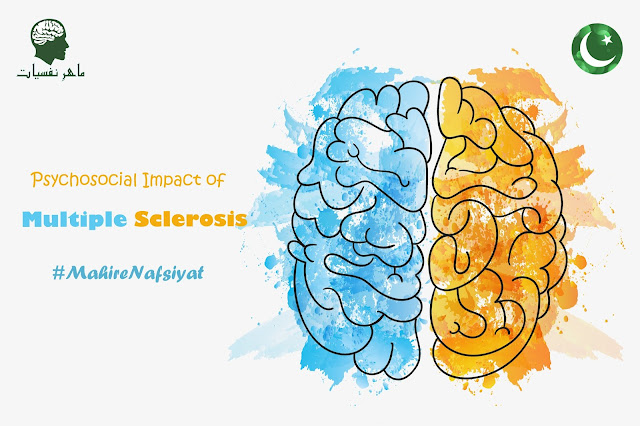
Psychosocial Impact of Multiple Sclerosis: Challenges and Solutions

Multiple sclerosis (MS) is a disease of the central nervous system characterized by an immune-mediated attack on the myelin and oligodendrocytes, resulting in inflammatory lesions, astrocytic scarring, and axonal loss. It is estimated that more than 300,000 people in the United States have MS, and there is some epidemiologic evidence that the incidence is increasing in women. Symptoms of MS are wide ranging in nature and severity and may or may not include disturbances in gait, balance, vision, bladder and/or bowel function, sensation, sexual function, psychiatric status, and cognition. The course of MS is highly variable, although the expected life span is decreased only by a few years.

Psychosocial Challenges

MS is an unpredictable, potentially disabling disease. Although outcomes can be estimated in large epidemiologic studies and follow-up studies from large clinical trials, it is very difficult to predict long-term outcomes for a given individual. This uncertainty represents a challenge to the coping capacity of persons with MS. There are a number of specific psychosocial challenges, including clinical depression, anxiety, sexual dysfunction, cognitive changes, and demoralization and grief associated with MS-related losses.

Clinical Depression and Grief

Depression is the most common psychiatric disorder in MS. Major depression is a serious psychiatric disorder that is distinguished from minor depression, discouragement, and grief by the persistence, severity, and number of symptoms.

According to the Diagnostic and Statistical Manual for Mental Disorders, 4th edition, text revision, a diagnosis of major depression requires an individual to have a sad or irritable mood most of the day and nearly every day for at least 2 weeks. In addition, there must be 4 other symptoms present during this time, which may include:

  • anhedonia (loss of interest in the things one is usually interested in and capable of doing);
  • feelings of worthlessness or excessive/inappropriate guilt;
  • significant increase or decrease in appetite with weight gain or loss;
  • change in sleep patterns (waking up 2-3 hours earlier than usual, or increase in number of hours of sleeps each day, by several hours or more);
  • recurrent thoughts of death or suicidal feelings and thoughts;
  • fatigue;
  • attentional impairment; and
  • sexual dysfunction.

Some of the symptoms associated with major depression are also associated with MS. Consequently, it's important to differentiate between social withdrawal associated with depression (due to loss of interest in usual social activities) and the inability to socialize in one's usual manner due to MS symptoms or impairments. If the persistent and severe mood changes that characterize major depression are not present, such symptoms are most likely due to MS.


Major depression among those with MS is consistently related to a loss in the perceived quality of life and is associated with decreases in self-care, including adhering to disease-modifying medications in MS, the failure of which may lead to long-term disease morbidity. In contrast to clinical depression, normal grief tends to occur after a loss (eg, recent exacerbation that produced permanent neurologic impairments). Grief is not associated with significant sustained impairments in function and is not typically associated with anhedonia.

In MS there is increased suicidal risk. One study that evaluated death records in MS found that suicide rates in MS patients were up to 7.5 times greater than in the general population. These findings are supported by other studies that show that suicidal ideation and lifetime suicidal intent among individuals with MS were approximately 18% and 28% respectively.

Evidence from several studies suggests that many MS patients who experience major depression are not treated or are significantly undertreated for their depressive symptoms. The latter studies highlight the need for increased systematic screening in MS for depression. Decreases in depression in MS patients receiving treatment for depression have also been associated with decreases in in-vitro antigen-specific and non-antigen-specific TH1-mediated interferon-gamma production, which may reflect an underlying inflammatory component associated with major depression in MS.

Because numerous studies estimate that between 36% and 60% of MS patients will experience an episode of major depression at some point during their lifetime, it is imperative to screen for depression during visits. Recommendations for screening have included the use of self-report scales, such as the Beck Depression Inventory II, Patient Health Questionnaire, and Chicago Multiscale Depression Inventory. One study found that simply asking the following questions was able to detect the presence of a major depressive episode with high sensitivity and specificity:

During the past 2 weeks, have you often been bothered by feeling down, depressed, or hopeless?
During the past 2 weeks, have you often been bothered by little interest or pleasure in doing things?
Several randomized trials in MS have indicated that depression can be treated successfully with a variety of antidepressant medications, cognitive-behavioral therapy, or both. The relative effect sizes of antidepressant therapy and cognitive-behavioral therapy on depression in MS have been found to be similar, so individuals can be offered a choice. However, in patients with severe depression, mental health professionals consider antidepressant therapy the first line of treatment, with psychotherapy serving as an important adjunctive therapy. There is some evidence that offering both antidepressant treatment and psychotherapy will confer improved long-term outcomes over either treatment alone.

Anxiety

The prevalence rates of clinically significant symptoms of anxiety in MS vary from 12% to 90% with most studies indicating 30% to 50%. Risk factors for anxiety disorders in MS patients have included female sex, time since diagnosis, comorbid diagnosis of depression, limited social support, and disability status. MS patients report significantly more anxiety than do healthy controls, with anxiety symptoms associated with fatigue, sleep disturbance, problem-solving deficits, pain, and disability status. It is possible that screening assessments or targeted interventions can be put into place based on the findings about prevalence rates or predictors of anxiety.

The point-prevalence of clinically significant anxiety was found to be 25% in one study, which was 3 times the rate of clinically significant depression in the sample. Females were significantly more anxious than males, and anxiety comorbid with depression was associated with increased thoughts of self-harm, more somatic complaints, and greater social dysfunction.

Social anxiety has also been found to be common. In one study, 30.6% of serial clinic patients met criteria for social phobia (fear and avoidance of social situations) on the Social Phobia Inventory, which was not associated with severity of disability. The presence of social phobia was associated with reduced health-related quality of life. To date, no treatments for social phobia in MS have been reported in the literature.

Injection phobia is also fairly common in MS. This is a problematic symptom, as most disease-modifying therapies are delivered by injection and require a schedule of either subcutaneous or intramuscular injections ranging in frequency from daily to weekly. Patients with injection phobia often select a family member/friend/other to conduct the injection, which is strongly linked to poor long-term adherence.

Cognitive-behavioral therapy for the treatment of injection phobia in MS patients was successful in one small sample pilot study published to date. In this study, 8 patients who could not self-inject due to phobia were able to do so within 7 treatment sessions, and 7 of 8 patients continued to self-inject at 3-month follow up. Given poor long-term adherence associated with non-self-injection, it is advisable to treat injection phobia early.

The MS literature cites the treatment of generalized anxiety with psychopharmacologic agents, including benzodiazepines and SSRI's. To date, one randomized clinical trial of short-term (6 weeks) cognitive-behavioral therapy reported clinically significant reductions in anxiety (and comorbid depression) with treatment (cognitive-behavioral therapy combined with progressive deep-muscle relaxation training adapted for patients with MS) relative to non-treatment (MS clinic services only). This study also reported that treated patients showed increases in coping behaviors that were associated with better emotional management and problem-solving behaviors. More recently, a 1-year, open-label trial of escitalopram in women with relapsing-remitting MS reported reduced risk for relapses associated with stressful life events; results will need to be replicated in larger samples with better controlled studies.

Cognitive Dysfunction in MS

Prevalence studies report that 43% to 65% of persons diagnosed with MS have objective cognitive impairments on neuropsychological tests. The prevalence rates range widely, in part due to sampling and other study design issues. Studies that focused on community samples of MS patients and excluded clinic patients report lower rates, while studies that sampled clinic patients report higher rates.

The types of cognitive impairments identified in MS are wide ranging and have included slowed processing speed, impairments in verbal and visual memory, various aspects of attention, visual-spatial judgment, verbal fluency, and executive function. Cognitive impairments can occur very early in MS, and several studies have identified impairments in patients with clinically isolated syndrome before meeting the criteria for clinically definite MS. The severity of cognitive impairment in MS also ranges widely, mirroring the variability of other clinical symptoms. Most patients have multifocal impairments with relatively good preservation of premorbid language abilities and some aspects of reasoning skills. Occasionally the severity is extreme, with the obvious presence of a dementia. Natural history studies are few but have indicated that patients identified with a focal cognitive impairment are likely to have progression of that impairment longitudinally and to develop additional impairments.

Cognitive impairments have been found to be highly associated with employment problems, social problems, difficulties in activities of daily living, and quality of life. The presence of a cognitive impairment cannot be predicted from the overall severity of disability, as numerous studies report the relationship between them to be quite modest. Cognitive impairments correlate better with a variety of MRI metrics, including T2 lesion load, T1 "black hole" lesions, cerebral atrophy, diffusion tensor imaging, and diffusion-weighted imaging studies. Third-ventricle width has been highly associated with the presence of cognitive impairments, probably due to the relationship between proximal thalamic and other structures that are highly related to cognitive function. Overall, studies have indicated that measures of atrophy account for more variance in cognition than does lesion burden.

The literature on the treatment of cognitive impairments is relatively sparse. Symptomatic treatment studies are inconclusive or largely negative. There are few large-scale, well-controlled, or well-designed studies on cognitive rehabilitation to date, although preliminary studies have found that verbal learning and memory can be improved objectively. Evidence from substudies of clinical trials of disease-modifying therapies indicates that cognitive impairments can be prevented or delayed. Studies of beta-interferon 1a and 1b found fewer cognitive deficits at the end of trials in patients randomly assigned to active treatment arms, although substudy data from a clinical trial of glatiramer acetate did not find differences between groups. Differences in results between disease-modifying therapies must not be overinterpreted, however, because these trials were not designed or powered to evaluate cognitive outcomes as either primary or secondary endpoints. Future studies that are designed and powered for that purpose will shed better light on the impact of disease-modifying therapy on cognition.

This article was originally published in Medscape by authors: Frederick W. Foley, PhD, faculty and disclosures

Sunday, May 14, 2017

The motherlode of 'mother love' chemicals

The feel-good brain chemical dopamine appears to play a role in the development of a healthy bond between a mother and baby, a new study suggests.

Dopamine may motivate moms to do more for their children because it makes mothers feel better, researchers said.

And this may not end when babies get older. "It is very likely that the processes we observed between mothers and their infants continues through the life span as their children grow," said study co-author Lisa Feldman Barrett. She's a psychology professor at Northeastern University in Boston.

"It may also be the case that this process supports people as they provide care and nurture to one another in close relationships," she added.

Previously, research has linked mother-baby bonding to the hormone oxytocin.


In this study, the researchers wanted to learn more about what goes on in the brain that helps motivate mothers to take care of their babies.

"Newborns are completely helpless and rely on their parents for survival. A mother must figure out if her infant is hungry, tired, uncomfortable, or lonely to provide appropriate care. So mothers must be highly motivated to care for their infants," Barrett pointed out.

Previous research in rodents has suggested that the brain chemical dopamine is key to bonding between mothers and infants, said study lead author Shir Atzil. She's a post-doctoral fellow at Massachusetts General Hospital in Boston.

"Rat mothers who are highly motivated to care for their pups secrete more dopamine in response to their pups. But the chemical basis of mother-infant bonding in humans was still a mystery," Atzil said.

For the new study, the researchers enlisted 19 mothers (aged 21 to 42) and their babies (aged 4 months to 2 years). The investigators video-recorded the mothers interacting with their babies to see how they got along. Then the researchers had the moms undergo brain scans as they watched videos of their babies or other babies.

The brains of the mothers secreted more dopamine when they watched their own babies, Atzil said. Judging by the videos of the mothers and babies interacting, she said, "mothers who secrete more dopamine were more likely to provide optimal care for their infants, were more sensitive to their infants' needs, and adjusted their own behavior to meet those needs."

Atzil said the research shows how important dopamine is in optimal maternal caregiving. Conversely, the study also gives clues to what might be going wrong in mothers who don't or can't properly care for their babies.

"Mothers who were less responsive to their infants also secreted less dopamine when watching films of their infants. This provides us with hints as to what goes wrong in a mother's brain when she is struggling to provide for her infant," Atzil said.

What does this mean in the long term?

Barrett said the researchers suspect that the brains of the infants themselves develop at a higher level when their mother does a better job of caring for them.

"An infant is not born with a fully developed brain," she said. "Its wiring develops over a number of years, and normal brain development requires responsive caregivers. Infants who do not receive the normal care they require are more likely to do poorly at school, have lower achievement levels, and are at risk for mental and physical disease as adults."

What about fathers and others who take care of babies who aren't their biological mothers? They may also feel a dopamine boost from taking care of an infant, but future research is needed to know for sure, Barrett said.

Paul Zak, founding director of the Center for Neuroeconomics Studies at Claremont Graduate University, said the study results may seem obvious. Of course women who bond more with their babies "have stronger responses in the brain to their infants in areas that make it feel good to care for them and in areas associated with emotional connection," he said.

Still, he said, the study authors connected all this to how the mothers bonded with their babies in a way that's "important and convincing."

Zak pointed out, however, that the study is small so it may not apply to all mothers.

And he added that it's not clear if "great moms are born that way or become that way," since the study can't show whether some mothers are primed for better bonding before their child is born.

The study was published online Feb. 13 in the Proceedings of the National Academy of Sciences.

More information: Lisa Feldman Barrett, Ph.D., professor, psychology, Northeastern University, Boston; Shir Atzil, Ph.D., post-doctoral fellow, Martinos Center for Biomedical Imaging, Massachusetts General Hospital, Boston; Paul Zak, Ph.D., chairman and professor, economics, and founding director, Center for Neuroeconomics Studies, Claremont Graduate University, Claremont, Calif.; Feb. 13, 2017, Proceedings of the National Academy of Sciences, online. www.pnas.org/cgi/doi/10.1073/pnas.1612233114

Journal reference: Proceedings of the National Academy of Sciences via Medical Xpress

Tuesday, May 2, 2017

Child molestation is not a joke: Hadiqa Kiani on Yasir Hussain's slip of tongue

The tasteless joke made by the show’s host Yasir Hussain on the 5th Hum Awards when Ahsan Khan won the award for his role in critically acclaimed serial Udaari, left many furious.

While Jibran Nasir slammed the Lahore Se Aagay actor’s crass humour on Twitter, Hadiqa Kiani also gave her two cents on the matter.

The Dupatta singer, who was present at the award ceremony, took to Twitter to expressed her feeling about the very delicate issue Udaari showcased and how Yasir’s joke ruined it all.


She wrote, “I guess I was lucky enough to have left the award show before this disgusting joke was cracked. This is exactly what’s wrong with out society, people think it’s okay to stoop so low and speak in such a foul manner. I’m not putting the blame exclusively on Mr Yasir Hussain, but on everyone in the room who sat in that room and laughed along… you all deserved to be questioned.”

“Staying silent in the face of rape culture is bad enough…but to laugh along and encourage it? Despicable. God, when especially honouring Ahsan and the whole Udaari team for shedding light on such an issue…all of it was just tainted by that joke. So, in case you need to be reminded, child molestation is not a joke, it is a serious crime that violates BASIC human rights. Disgusted,” she further added.

Here’s the original post:


Muniba Mazari, too condemned the crude joke and posted:

Interested for our works and services?
Get more of our update !